


freight forwarding
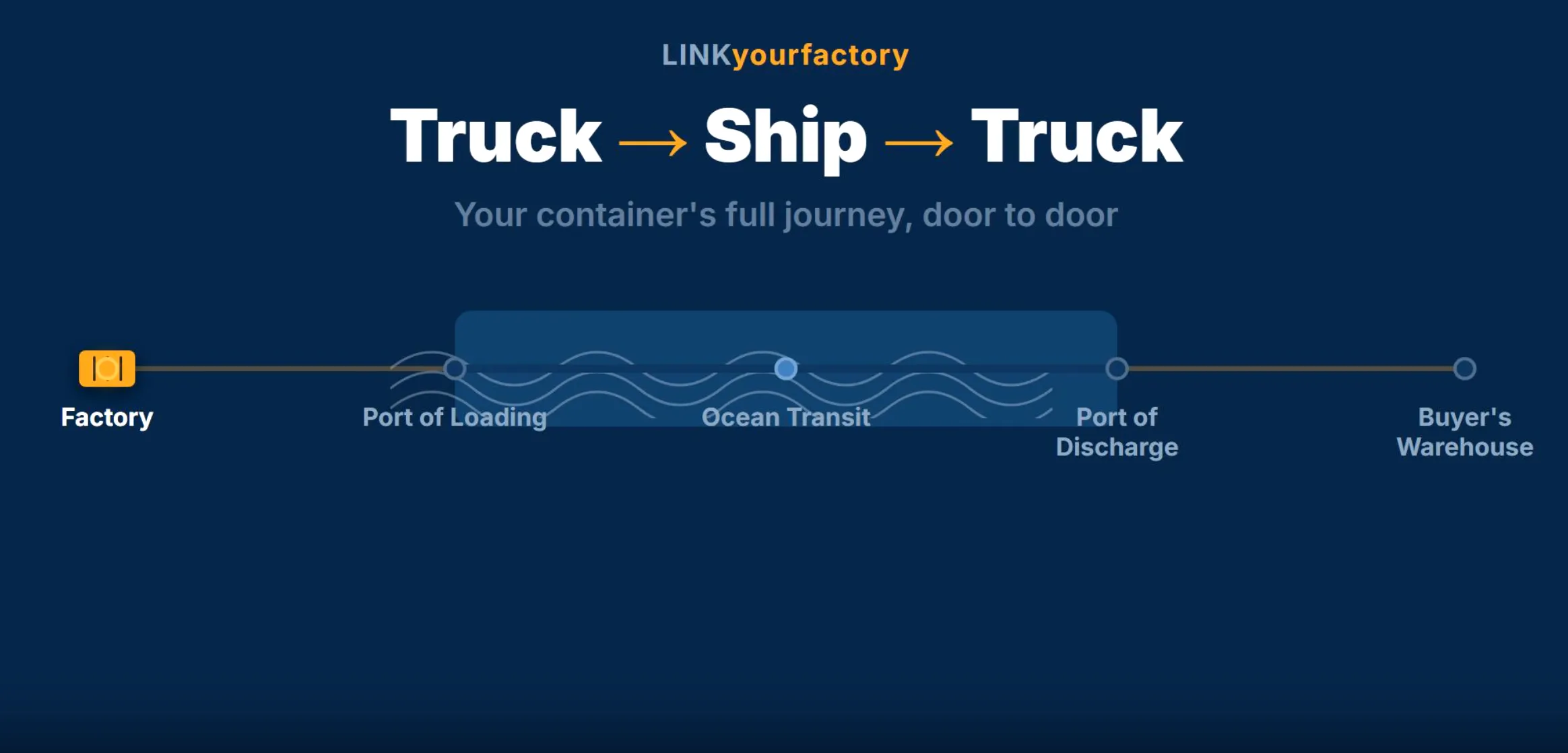
Freight forwarding is a vital service within the global logistics and supply chain industry. It involves the planning, coordination, and management of the transportation of goods from one place to another on behalf of shippers, exporters, and importers. A freight forwarder does not usually move the cargo with its own vehicles or aircraft; instead, it acts as an expert intermediary that arranges the most efficient and cost-effective shipping solution through carriers, warehouses, customs brokers, and other service providers.The main role of freight forwarding is to simplify the movement of goods across domestic and international borders. Shipping products can be complex because it requires knowledge of transportation modes, customs regulations, documentation, insurance, packaging, and delivery timelines. Freight forwarders help businesses handle these tasks smoothly. They assess the needs of the shipment, choose the best route and transport method, book cargo space, prepare documents, and ensure that the goods reach the destination safely and on time.One of the key advantages of freight forwarding is efficiency. By combining shipments, negotiating rates, and selecting suitable transport options, freight forwarders help reduce costs and improve delivery performance. They are familiar with different shipping methods such as air freight, ocean freight, rail freight, and road freight. Each method has its own benefits. Air freight is fast but usually more expensive, making it ideal for urgent or high-value cargo. Ocean freight is slower but more economical for large volumes. Rail and road transport are often used for regional or cross-border deliveries. A freight forwarder helps determine the best combination based on the type of cargo, budget, and deadline.Another important function is customs and documentation support. International shipping requires accurate paperwork, including commercial invoices, packing lists, bills of lading, certificates of origin, and customs declarations. Mistakes in documentation can cause delays, penalties, or even cargo detention. Freight forwarders understand these requirements and help ensure compliance with import and export laws. This is especially important when shipping sensitive, regulated, or high-value goods.Risk management is also a major part of freight forwarding. Cargo can be damaged, lost, delayed, or affected by unforeseen events such as weather problems, strikes, port congestion, or political issues. Freight forwarders help minimize these risks by planning carefully, choosing reliable carriers, and arranging cargo insurance when needed. They also track shipments and provide updates so customers can monitor progress and respond quickly if problems occur.In addition, freight forwarding supports businesses of all sizes. Small companies may not have the resources or experience to manage international shipping on their own, while larger organizations often need help handling high volumes and complex supply chains. By outsourcing logistics tasks to freight forwarders, businesses can focus on production, sales, and customer service while maintaining smooth transportation operations.Overall, freight forwarding plays an essential role in connecting markets around the world. It makes trade more efficient, reliable, and accessible by coordinating transportation, documentation, and compliance. As global commerce continues to grow, the importance of freight forwarding will remain strong, helping businesses move goods across borders with confidence and precision.
Products
Category:
No search results found!
News
Category:
No search results found!
Case
Category:
No search results found!
Video
Category:
Download
Category:
No search results found!
Job
Category:
No search results found!
Featured Products
No search results found!


